
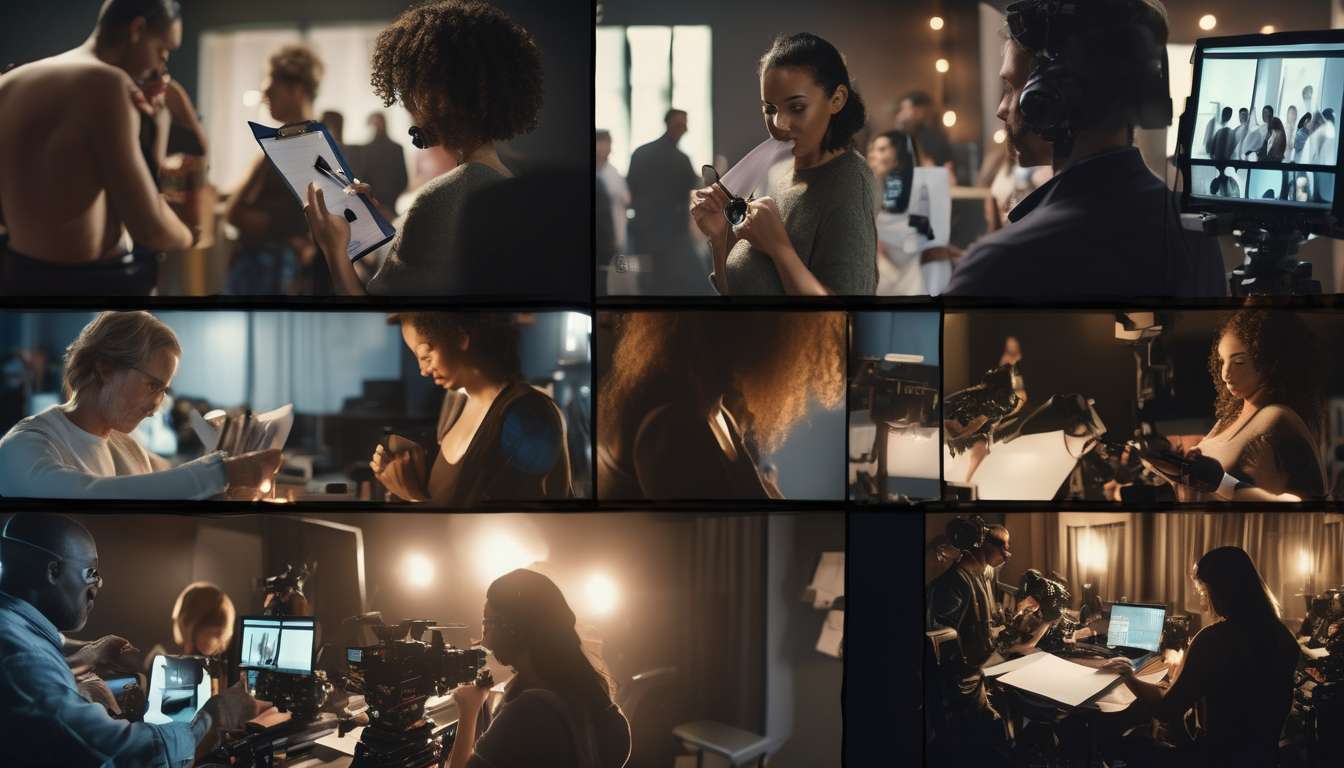
Problem overview: Gendered power imbalances, ambiguous contracts, and inconsistent health safeguards
Many professionals in adult photography production are exposed to exploitative conditions and legal grey areas. Performers, photographers, makeup artists, and support staff often work in settings that lack clear policies on consent, boundaries, and reporting procedures.
Role classification and access to protections
Inconsistent classification of roles—freelance versus employee—directly affects access to benefits, workers’ compensation, and legal protections. This ambiguity leaves workers uncertain about rights and recourse when incidents occur.
Stigma, confidentiality, and underreporting
Stigma and worries about confidentiality suppress reporting of harassment and unsafe practices. Fear of reputational harm or blacklisting discourages individuals from raising concerns, perpetuating unsafe conditions.
Regulatory fragmentation and transnational confusion
Patchwork regulations across jurisdictions create confusion for productions that operate transnationally. Differing local laws and enforcement standards make it difficult to adopt consistent protections across shoots and teams.
Core belief: Practical, role-specific protections can reduce harm
We believe that implementing practical, role-specific workplace protections can reduce harm, enhance safety, and professionalize the industry without compromising artistic integrity.
Article aims: map, identify gaps, propose actions
- Map the landscape of current protections across roles and jurisdictions.
- Identify gaps affecting each production role (performers, creatives, technical/support staff).
- Propose actionable steps—policy, training, and contractual standards—to foster safer, fairer working environments for everyone involved in adult photography.
Desired outcomes
- Clearer contracts and role definitions to secure legal protections and benefits.
- Standardized consent and boundary protocols tailored to each role.
- Confidential, accessible reporting and support mechanisms.
- Portable, interoperable health and safety practices for transnational productions.
Together, these measures aim to professionalize practices, protect workers, and preserve artistic freedom while prioritizing safety and dignity.
Industry Power Dynamics
We’ll examine how producers, talent, agencies, and platforms concentrate power on set and shape safety, consent, and pay.
Power imbalances affect everyday decisions.
Who sets consent protocols?
Who interprets performer classification for pay and benefits?
Who enforces occupational health and safety standards?
We insist on transparent agreements and shared mechanisms for raising concerns without retaliation.
We push for clear, accessible consent protocols that are revisited before each scene.
Consent protocols should be specific, understandable, and documented.
Protocols should be revisited and confirmed before each scene.
Neutral third-party observers should be available when needed.
We recognize that ambiguous performer classification can strip people of protections.
Support categorization practices that reflect real working conditions.
Guarantee rights and benefits that follow the actual work performed.
We request routine occupational health and safety training and accessible reporting channels that prioritize confidentiality and prompt remediation.
Regular, required safety training for all on-set personnel.
Reporting channels that are easy to access, protect confidentiality, and ensure timely investigation and remediation.
By organizing collectively—across producers, talent, agencies, and platforms—we build practical, enforceable norms.
- Create shared standards for consent, safety, and classification.
- Implement transparent agreements and non-retaliation complaint processes.
- Ensure independent oversight (e.g., third-party observers, ombudspersons).
- Provide routine training and enforceable remediation pathways.
The goal: protect dignity, ensure fair compensation, and create safer sets where everyone belongs.
Role Classification Standards
We need clear, consistent role classification standards that reflect actual working conditions so workers get the pay, benefits, and protections they’re owed.
We want everyone who contributes to a shoot to be seen and counted: performers, photographers, techs, producers, and support staff.
When we define performer classification, we base it on:
- Duties.
- Control over work.
- Payment structure.
- Scheduling.
Classification should be determined by objective factors, not labels imposed from above.
Clear standards let us align contracts, payroll, and occupational health and safety measures so risks are addressed and resources reach those who need them.
We integrate consent protocols into role definitions so expectations about participation and boundaries are explicit and enforceable.
By standardizing job descriptions and grievance pathways, we create belonging: people know where they fit and how to raise concerns without fear.
Together we can advocate for consistent classifications across studios and platforms, ensuring:
- Fair compensation.
- Access to benefits.
- Safer working conditions for the whole production community.
Consent and Boundary Protocols
We require clear, documented boundaries and ongoing, affirmative agreement before, during, and after every scene so everyone knows what’s allowed, what’s off-limits, and how to stop or change course at any time.
We build consent protocols that center mutual respect and shared responsibility:
- Pre-shoot checklists.
- Written agreements tied to performer classification.
- Verbal reconfirmation at key moments.
We make sure newcomers and veterans alike feel included, explaining terms and options without judgment and adapting practices to individual comfort.
We designate safe words, nonverbal cues, and an empowered on-set ombudsperson who can pause activity instantly.
We log any boundary changes and debrief after scenes to learn and improve.
We integrate these practices with occupational health and safety planning without duplicating the technical health measures discussed elsewhere, so emotional and procedural safeguards are embedded in every role.
By aligning consent protocols with role expectations, we create a dependable, welcoming environment where people feel seen, heard, and protected.
Health and Safety Requirements
Comprehensive, enforceable health and safety measures on every set
We require infection control, emergency procedures, PPE, and routine medical access so everyone can work with confidence and care.
Key components:
- Infection control: regular cleaning schedules, hand hygiene stations, and protocols for symptomatic individuals.
- Emergency procedures: clearly posted evacuation routes and incident response plans.
- PPE: appropriate PPE for tasks, stocked and readily available.
- Routine medical access: on-call medical support for both routine and urgent care.
Clear occupational health and safety standards tied to performer classification
Contractors and employees must receive protections, breaks, and medical access appropriate to their role.
Standards include:
- Performer classification: determine protections and entitlements based on role and risk.
- Breaks and rest: mandated rest periods and limits on continuous work where risk is elevated.
- Access to medical services: routine screenings, on-set medical personnel when required, and timely referral pathways.
Consent-integrated health practices
Consent protocols are embedded into health measures so safety and personal boundaries are honored along with clinical needs.
Practices include:
- Informed consent: clear, documented consent for medical exams or intimate-contact procedures.
- Respect for boundaries: procedures for withdrawing consent and alternative measures.
- Confidentiality: limits on who receives health information and how it’s stored.
Training and preparedness for crew and performers
All crew and performers are trained in PPE use, sanitization, and responding to injuries or medical events.
Training program elements:
- PPE use and disposal: proper selection, donning/doffing, and waste handling.
- Sanitization protocols: surface and shared-equipment cleaning procedures.
- First response: immediate care for injuries, managing medical events, and contacting on-call medical support.
Documented incident response, reporting, and privacy protections
We maintain written incident response plans, reporting steps, and evacuation routes that respect privacy and role differences without sacrificing timeliness.
Documentation should provide:
- Incident response plans: roles, chain of command, and action checklists.
- Reporting procedures: who to notify, timelines, and recordkeeping.
- Privacy safeguards: limited disclosure, secure records, and role-sensitive communication.
Audit, feedback, and continuous improvement
We audit compliance regularly, involve performers in feedback, and update procedures when risks change.
Process elements:
- Regular audits: scheduled and ad hoc compliance checks.
- Performer involvement: feedback mechanisms and participation in safety reviews.
- Revision triggers: incident findings, changing risks, or new regulations.
Producer responsibility and workplace culture
Producers must fund necessary safety measures and treat everyone with dignity; shared responsibility and clear rules create verifiable commitments to belonging and wellbeing.
Expectations include:
- Funding: budget line items for medical staff, PPE, training, and sanitation.
- Accountability: enforcement mechanisms and transparent consequences for noncompliance.
- Culture: policies and practices that promote respect, inclusion, and psychological safety.
Confidential Reporting Systems
We provide confidential, accessible reporting systems so anyone can report safety concerns, harassment, or violations without fear of retaliation.
We ensure multiple confidential channels — anonymous hotlines, secure online forms, and designated advocates — so reporting fits different comfort levels.
We document each report promptly, track resolutions, and protect identities to foster trust and belonging among performers, crew, and production staff.
Our system links reports to review of consent protocols, performer classification practices, and occupational health and safety compliance.
When issues arise, we coordinate impartial investigations, remedial training, and policy updates.
We communicate outcomes to affected parties while maintaining confidentiality and legal obligations.
We train all team members on how to use the system, what to expect after filing, and how retaliation is prohibited and disciplined.
We regularly audit reporting data to spot patterns and improve prevention.
By making reporting straightforward, responsive, and safe, we reinforce a culture where everyone feels supported, respected, and empowered to speak up.
Contractual Best Practices
We create clear, fair contracts that spell out roles, payment, boundaries, health and safety expectations, and dispute resolution so everyone knows their rights and responsibilities before production begins.
We draft agreements that center consent protocols explicitly—what’s permitted, withdrawal procedures, and documentation—so performers and crew feel respected and included.
We clarify performer classification, distinguishing contractors from employees, and we state tax, scheduling, and liability implications plainly to avoid confusion and foster trust.
We include occupational health and safety clauses covering testing, PPE, on-set first aid, and incident reporting, and we define who’s responsible for enforcement.
We set payment terms, cancellation fees, intellectual property rights, and usage windows in straightforward language so everyone can plan and belong.
We require mutual signatures and provide time for review, and we encourage bringing advisors to protect individual interests.
We keep contracts concise, readable, and revisable, and we commit to updating them as norms evolve so our community stays safe, valued, and empowered.
Transnational Compliance Strategies
We map applicable laws and industry standards across jurisdictions, then build adaptable policies and contract clauses that keep productions compliant while respecting local rights and cultural norms.
We prioritize clear consent protocols that satisfy the strictest applicable standards while being sensitive to community norms, so everyone on set feels seen and protected.
We align performer classification with local labor rules, avoiding misclassification by documenting roles, pay structures, and scope of work that regulators recognize.
We centralize occupational health and safety measures — risk assessments, accessible reporting channels, and emergency plans — that meet or exceed regional requirements and are communicated in languages staff understand.
We create modular contract templates that teams can localize quickly, and we keep a shared repository of legal interpretations and precedent to guide decisions.
We collaborate with local advocates and legal counsel so our practices reflect lived experience and law.
By doing this together, we maintain compliance across borders while preserving a culture of respect, inclusion, and mutual accountability on every shoot.
Training and Professional Development
We’ll provide role-specific training and ongoing professional development so every team member knows best practices, legal obligations, and how to uphold safety and respect on set.
We’ll run regular workshops on consent protocols that cover practical steps for asking, documenting, and responding to boundaries.
- These workshops will teach how to initiate consent conversations, record agreements, and handle withdrawal of consent.
- They will use role-specific scenarios so all departments feel confident and included.
We’ll teach clear guidance on performer classification and employment implications to eliminate ambiguity about status, contracts, wages, and rights.
- Training will explain classifications, required paperwork, tax and wage implications, and how classification affects benefits and protections.
We’ll include occupational health and safety modules addressing physical risk, mental well-being, and incident reporting.
- Modules will use scenarios relevant to each role and cover hazard recognition, safe practices, de-escalation, and access to support services.
- Clear incident reporting procedures and follow-up will be taught and practiced.
We’ll create mentor programs and peer review sessions so experienced crew support newcomers and foster shared standards.
- Mentorship pairs or small groups will provide on-the-job guidance and regular check-ins.
- Peer review sessions will encourage constructive feedback and continuous improvement.
We’ll keep training materials accessible and updated to reflect changing laws and industry standards.
- Materials will be available in multiple formats and languages where needed.
- Updates will be scheduled and communicated promptly.
We’ll solicit feedback, measure effectiveness, and adapt curricula to reflect lived experience and real-world outcomes.
- Regular surveys, debriefs, and metrics (e.g., incident rates, confidence scores) will guide improvements.
- Learner feedback will inform content and delivery changes.
We’ll make professional development part of our culture so people grow, feel respected, and sustain long-term careers within a safe, accountable production environment.
How do production companies handle immigration or visa issues for international performers and crew?
We coordinate immigration and visa paperwork and connect performers and crew with immigration attorneys so they can obtain proper work authorizations.
We gather supporting documents for visa applications, including:
- contracts,
- letters of invitation,
- proof of payment.
We sometimes sponsor temporary work visas when eligible.
We accommodate processing timeframes and, when agreed, cover reasonable legal fees.
Our goal is to create a welcoming, secure process for everyone.
What accommodations are made for neurodivergent or disabled performers and crew on set?
We prioritize inclusion and make accommodations for neurodivergent or disabled performers and crew.
What we provide:
- Quiet spaces for breaks and sensory regulation.
- Flexible scheduling to reduce fatigue and accommodate medical needs.
- Clear sensory and procedural notes so people can prepare for loud sounds, strobes, or unexpected touch.
- Accessible sets and restrooms designed for mobility devices.
Assistive services and technology:
- Assistive tech, captioning, and mobility aids available on request.
- Support persons or interpreters are allowed and supported.
How we work with individuals:
- Consultation about needs — we ask each person what accommodations will help them fully participate.
- Staff training on communication, consent, and disability etiquette.
- Rapid adaptation — we make quick adjustments when needs change to ensure dignity, safety, and full participation.
How are mental health support and counseling services funded and provided after difficult shoots or incidents?
Funding sources and partnerships.
We secure funding through unions, producer contributions, emergency relief funds, and grants. We also partner with vetted therapists and trauma-informed counselors to ensure services are professional and appropriate for industry-related trauma.
Types of services provided.
- Confidential hotlines for immediate support.
- On-call counseling sessions following incidents.
- Sliding-scale options to reduce financial barriers.
- Paid time off specifically for mental health appointments.
Ongoing support and workplace practices.
- Peer support groups to foster shared understanding and connection.
- Regular check-ins so concerns are identified and addressed early.
- Clear referral pathways to specialist care when needed.
Key goal.
Our priority is to ensure everyone feels heard and cared for, with accessible, confidential, and trauma-informed mental health support after difficult shoots or incidents.
Conclusion
You’ve seen how power, clear role definitions, consent protocols, health safeguards, reporting systems, contracts, cross-border rules, and ongoing training all work together to protect adults in photography production.
Prioritize transparent policies, enforceable agreements, and regular education so everyone knows their rights and responsibilities.
Keep channels open for confidential concerns, align practices with local and international law, and invest in continual professional development to maintain safe, respectful, and ethical workplaces across every production.